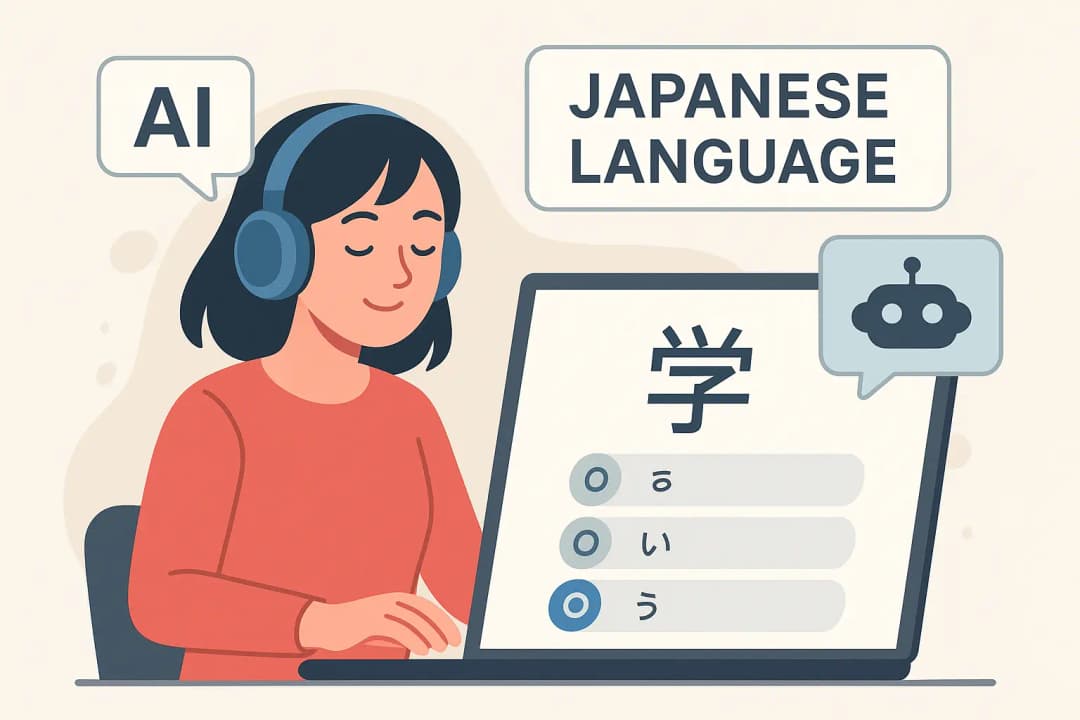
Using AI to Learn Japanese Language
Learning a new language can be exciting but also challenging. Among many languages, Japanese is one of the most interesting and useful to learn. It is spoken by over 125 million people around the world. Learning Japanese can open doors to new cultural, educational, and professional opportunities. Today, Artificial Intelligence (AI) is making it easier for people to learn Japanese. This blog explains how AI can help you learn Japanese, the benefits, tools you can use, and tips for success.
Why Learn Japanese?
Before learning how AI helps, it is important to know why Japanese is valuable. As the world’s fourth-largest economy by nominal GDP, Japan offers vast opportunities and career growth for those ready to explore it. Here’s why learning Japanese can benefit you::
Career Growth: Japan offers a multi-trillion-dollar economy and is home to some of the world’s leading companies in technology, automotive, electronics, machine tools, and more.
Cultural Access: You can enjoy Japanese movies, anime, books, and traditional arts in the original language.
Business Opportunities: Japan is a major economy. Knowing Japanese can help in fields like technology, manufacturing, and tourism.Travel: Japanese make traveling in Japan easier and more enjoyable.
Brain Development: Learning a new language improves memory, concentration, and problem-solving skills.
Japanese can be difficult because of its writing systems and grammar. This is where AI can make a big difference.
How AI Helps in Learning Japanese
AI is everywhere and it's in learning too. Thanks to NLP and AI engineers. AI uses smart technology to create learning systems that adapt to your needs. Here are some ways AI helps:
Personalized Learning
AI can track your progress and suggest lessons based on what you need to improve. For example, if you find “kanji” characters difficult, AI will give you more practice in reading and writing kanji. Lessons are made to fit your learning speed.
Speech Recognition
Speaking Japanese can be hard. AI can listen to your pronunciation and give feedback. If you mispronounce words, the system can show the correct way to say them. This helps improve your speaking skills quickly.
Vocabulary and Grammar Assistance
AI helps you learn new words and grammar rules easily. Some apps create flashcards, quizzes, and games. This makes learning fun and helps your brain remember better.
Interactive Chatbots
AI chatbots let you practice conversation in Japanese anytime. You can simulate real-life situations, like ordering food, asking directions, or introducing yourself. Chatting with a bot helps you gain confidence without fear of mistakes.
Reading and Listening Practice
AI can recommend reading materials and audio lessons based on your level. Some systems highlight difficult words and give translations, making it easier to understand Japanese in context.
AI Tools for Testing and Skill Assessment
Learning Japanese is not just about practice; it is also important to check your skills. Some AI-powered systems provide adaptive tests to measure your level. These tests focus on practical Japanese used in daily life and professional situations. They adjust the difficulty automatically, so learners can focus on areas that need improvement, such as vocabulary, grammar, or reading comprehension.
In addition to testing, AI can also help evaluate skills for specific professional tasks. Certain systems give feedback on reading, writing, and listening in work-related contexts. This helps learners prepare for real-life situations efficiently.
Together, these AI-powered assessments make it easier to track progress, identify weaknesses, and gain confidence in using Japanese for both everyday life and professional purposes.
Popular AI Tools for Learning Japanese
Several AI-based tools are useful for learning Japanese. Some of the popular ones are:
Duolingo: Offers lessons and exercises for reading, writing, listening, and speaking.
Prime Benchmark: It’s less of a tool and more of a platform, offering skill assessments like JFT-Basic and SSW tests.
Rosetta Stone: Provides pronunciation feedback and interactive lessons.
LingQ: Recommends content based on your interests and level.
AI Chatbots: Can simulate conversation and answer questions instantly.
Benefits of Using AI to Learn Japanese
Using e-learning platforms, LMS, and other internet- or visual-based learning tools are good options. But for anyone looking for a new way to learn and an efficient method to master Japanese words and pronunciation, AI has their back in 2025. It offers many advantages over traditional methods.
Flexibility
You can learn anytime and anywhere. AI apps work on phones, tablets, and computers. This is helpful for busy people.
Personalized Learning
AI adapts to your pace. You do not need to follow a strict classroom schedule. Lessons are customized for you.
Instant Feedback AI corrects mistakes immediately, whether in speaking, writing, or reading. This helps you improve faster.
Motivation and Engagement
Learning with AI can be fun. Many apps use games, quizzes, and challenges to keep you motivated. Rewards and achievements make you want to continue learning.
Cost-Effective
Compared to private tutors or schools, AI tools are often cheaper. Some apps are even free, making learning Japanese accessible to more people.
How to Start Learning Japanese with AI
There are many ways to learn with AI, but one of the best approaches, the prime benchmark method, to start learning Japanese is as follows. Here is a simple plan to get started with AI-based Japanese learning
Step 1: Set Your Goal
Decide why you want to learn Japanese. Is it for travel, work, or personal interest? Goals help you stay focused.
Step 2: Choose an AI Tool
Pick an AI tool that suits your needs. Beginners can try Duolingo or Rosetta Stone. For conversation practice, AI chatbots can help.
Step 3: Start Small
Learn basic lessons first, like greetings, numbers, and common phrases. Small, consistent practice works better than trying to learn everything at once.
Step 4: Practice Daily
Spend 20-30 minutes daily on AI lessons. Regular practice helps you remember vocabulary and grammar.
Step 5: Use Multiple Resources
Combine AI lessons with other resources like YouTube, Japanese songs, movies, and books. Exposure to real-life Japanese helps understanding.
Step 6: Take Assessments
Use AI-based tests to check your progress. Regular testing shows your strengths and weaknesses and guides your next lessons.
Challenges of Learning Japanese with AI
While AI is helpful, there are some challenges, including the difficulty of simulating a real Japanese environment and the heavy reliance on technology.
Limited Cultural Context: AI teaches language but may not explain cultural nuances fully.
Over-Reliance on Technology: Learning only with AI might reduce real-life conversation practice.
Internet Requirement: Most AI tools need a stable internet connection.
Despite these challenges, AI remains one of the most effective ways to learn Japanese.
Tips for Effective AI-Based Learning
Consistency is key, and it applies everywhere, including AI-based Japanese learning. To make the most of AI while learning the language:
Set Realistic Goals: Start with small milestones, like learning 50 new words a week.
Practice Speaking: Chat with AI bots daily to improve pronunciation.
Combine Listening and Reading: Listen to Japanese audio while following text.
Review Regularly: AI tracks progress, but self-review is important.
Stay Motivated: Reward yourself when reaching learning goals.
saigo ni,
Learning Japanese with AI is modern, efficient, and enjoyable. AI makes learning flexible, interactive, and personalized. To begin your language journey, learn Japanese and test your skill level with fun, come join Prime Benchmark.